Please welcome Elizabeth Seckman, a contributor to the new Insecure Writer's Support Group Anthology, Hero Lost!


For the sake of her people, his queen sacrificed love for duty when she married the stern king of the highlands over the jovial intended of her youth. Their marriage brought peace and unity to the people for so long that the resulting complacency gave the idle king time to ponder—would his devoted queen be happier with her first love? Didn’t a woman whose life was spent in sacrifice deserve true love? In an attempt to do right by his loyal wife, the king consorts with a sorcerer and dabbles in dark magic.
The result is chaos and the possible destruction of himself, his queen, and their kingdom.
Why did they do that?
Is it magic…
Throw a pinch of salt over your left shoulder to stop evil and its bad luck from sneaking up on you.
Knock on wood to wake up tree spirits who will share some luck or ward off some bad luck for you.
Cross your fingers. For Christians, any reminder of the cross is good luck, whether you’re crossing fingers with another as a bond or yourself for some divine intervention.
Chop off a rabbit’s foot. Catch a rabbit on the 13th day of the month in a cemetery and kill it for its left hind foot and all its bad luck reverses to good luck for you.
Wear red to ward off evil according to Chinese superstition. Evidently evil and bulls think alike.
Choose the #7 for luck. Its constant use in the Bible has to be a good omen. No to mention the 7th day is the day of rest and that’s pretty sweet.
Pick a four-leaf clover. The Celts believed a four-leaf clover allowed the owner to distinguish bad fairies, thus eliminating a lot of bad luck. The four leaves stand for faith, hope, love, and luck. If you own all of these, you’re lucky indeed!
Hang a horse shoe, ends up—if not your luck might run out. The story is that St. Dunstan nailed a horseshoe to the devil’s foot, thus scaring him away from horseshoes forever.
…or maybe it’s not so much magic—perhaps it’s simple confirmation bias— a psychological term for the brain’s tendency to confirm theories that reinforce thinking. We all want to think we can increase our chances of good luck and eliminate as much bad as we can, so we create magical charms in order to empower our psyche then reinforce the belief in them every time we notice they work.
Elizabeth is a multi-published author of women’s fiction and romance. The mother of four boys, five if you count their father, she needs all the fantasy girl time she can get. A graduate of Marshall University, she is a licensed social worker who spent years working with at-risk teens. She is a member of WV Writers Association and an active blogger.

For the sake of her people, his queen sacrificed love for duty when she married the stern king of the highlands over the jovial intended of her youth. Their marriage brought peace and unity to the people for so long that the resulting complacency gave the idle king time to ponder—would his devoted queen be happier with her first love? Didn’t a woman whose life was spent in sacrifice deserve true love? In an attempt to do right by his loyal wife, the king consorts with a sorcerer and dabbles in dark magic.
The result is chaos and the possible destruction of himself, his queen, and their kingdom.
Why did they do that?
Is it magic…
Throw a pinch of salt over your left shoulder to stop evil and its bad luck from sneaking up on you.
Knock on wood to wake up tree spirits who will share some luck or ward off some bad luck for you.
Cross your fingers. For Christians, any reminder of the cross is good luck, whether you’re crossing fingers with another as a bond or yourself for some divine intervention.
Chop off a rabbit’s foot. Catch a rabbit on the 13th day of the month in a cemetery and kill it for its left hind foot and all its bad luck reverses to good luck for you.
Wear red to ward off evil according to Chinese superstition. Evidently evil and bulls think alike.
Choose the #7 for luck. Its constant use in the Bible has to be a good omen. No to mention the 7th day is the day of rest and that’s pretty sweet.
Pick a four-leaf clover. The Celts believed a four-leaf clover allowed the owner to distinguish bad fairies, thus eliminating a lot of bad luck. The four leaves stand for faith, hope, love, and luck. If you own all of these, you’re lucky indeed!
Hang a horse shoe, ends up—if not your luck might run out. The story is that St. Dunstan nailed a horseshoe to the devil’s foot, thus scaring him away from horseshoes forever.
…or maybe it’s not so much magic—perhaps it’s simple confirmation bias— a psychological term for the brain’s tendency to confirm theories that reinforce thinking. We all want to think we can increase our chances of good luck and eliminate as much bad as we can, so we create magical charms in order to empower our psyche then reinforce the belief in them every time we notice they work.
Hero Lost
Mysteries of Death and Life
An Insecure Writer’s Support Group
Anthology
Can a lost hero find redemption?
What if Death himself wanted to die?
Can deliverance be found on a bloody battlefield? Could the gift of silvering
become a prison for those who possessed it? Will an ancient warrior be forever
the caretaker of a house of mystery?
Delving into the depths of the tortured
hero, twelve authors explore the realms of fantasy in this enthralling and
thought-provoking collection. Featuring the talents of Jen Chandler, L. Nahay,
Renee Cheung, Roland Yeomans, Elizabeth
Seckman, Olga Godim, Yvonne Ventresca, Ellen Jacobson, Sean McLachlan, Erika Beebe, Tyrean Martinson, and
Sarah Foster.
Hand-picked by a panel of
agents and authors, these twelve tales will take you into the heart of heroes
who have fallen from grace. Join the journey and discover a hero’s redemption!
Hero Lost Website
***


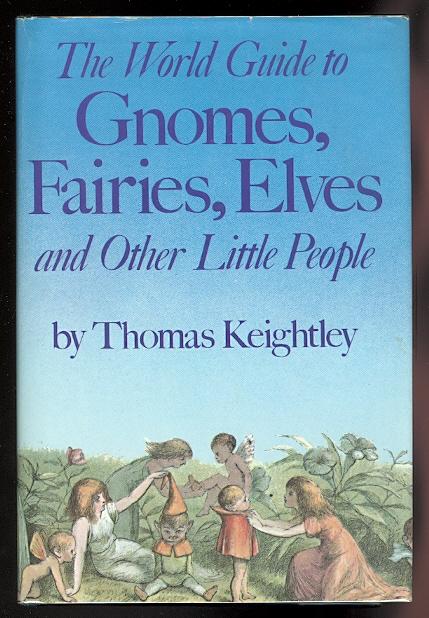 The World Guide to Gnomes, Fairies, Elves and Other little People, by Thomas Keightley, first printed in 1878, my copy is from 1978 - the hundred year anniversary.
A Doorway to Fairyland, by Laurence Housman. My ancient copy has no print date, but is probably from around 1904.


***
The idea of #InkRipples is to toss a word, idea, image, whatever into the inkwell and see what kind of ripples it makes. We provide the topics and will be blogging about them on the first Monday of the month. You can spread your own ripples by blogging about the topic any day of the month that fits your schedule, just be sure to include links back to Katie, Kai, and Mary.
This month's subject is FAIRY TALES. One of my favorite subjects.
I started out thinking I'd list my fairy tale books, but I have so many it soon became obvious I'd be at it far too long. Instead I'll share a few of my favorites.
The World Guide to Gnomes, Fairies, Elves and Other little People, by Thomas Keightley, first printed in 1878, my copy is from 1978 - the hundred year anniversary.A Doorway to Fairyland, by Laurence Housman. My ancient copy has no print date, but is probably from around 1904.

Little Brother Little Sister. I'm particularly fond of this collection of Grimm fairy tales because the illustrations are by Arthur Rackham. It dates from 1917.

I could go on with:
Irish Fairy Tales, by James Stephens.
Legends from Fairyland by Holme Lee.
A Field Guild to the Little People by Nancy Arrowsmith and George Moorse.
Myths and Folk-Lore of Ireland by Jeremiah Curtin.
Hero Tales of Ireland by Jeremiah Curtin.
Wonder-Tales from Russian by Jeremiah Curtin.
Why all these books by Curtin? My husband's family was related to Jeremiah and the books were passed on to him. Jeremiah was an amazing linguist who knew over 70 languages and their dialects. He traveled all over the world collecting and translating stories from various peoples, including the Mongols and Seneca Indians. (We have those books too.)
I could go on and on, but I won't. Suffice it to say that somewhere in my childhood I was given strong infusions of fairy juice and liberally sprinkled with fairy dust which forever endeared me to their magic, mystery, and wonder.
***
Being Thankful
Today I'm thankful for... FAIRIES!

What are you thankful for? Are you reading to going to soon read the Hero Lost anthology? Do you have a favorite fairy tale or book about fairies? Do you like fairies?

